Inky Bag: A Script for Thoughtful Design
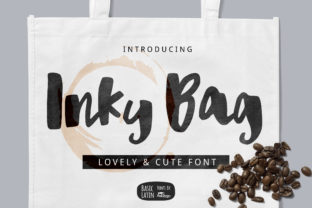
There’s something about the right font that can transform a simple page into a memorable experience. When I began redesigning my lifestyle blog, I knew I needed a typeface that felt personal, yet professional—something that could elevate the tone of my content without overshadowing it. That’s when I discovered Inky Bag, a cute and organic script with an authentic twist. It wasn’t just another font; it was a tool to help me craft a more engaging reading journey.
Inky Bag has a soft, handwritten quality that feels like it was drawn by someone with a quiet confidence. Its curves are gentle, its strokes vary just enough to give it character, and its rhythm flows naturally, making it ideal for titles, headers, and decorative elements. Unlike some scripts that feel overly stylized or difficult to read, Inky Bag strikes a balance between charm and clarity. It doesn’t shout, but it does whisper—inviting readers to lean in and take notice.
One of the first places I used Inky Bag was on my blog header. I wanted a visual anchor that would reflect the tone of my content—friendly, approachable, and thoughtful. The font added a sense of warmth that matched the vibe of my posts, and it worked well alongside a clean sans serif for the navigation text. It didn’t dominate the space, but it did make an impression, helping to establish a consistent brand identity across the site.
As I continued experimenting, I found that Inky Bag excelled in a variety of editorial contexts. It made a perfect headline for a recipe ebook I was designing, adding a touch of personality to each dish’s title. In a wedding guide, it brought a romantic, artisanal feel to section headings and pull quotes. For a printable planner, it gave the pages a handcrafted aesthetic that felt intentional and meaningful.
What makes Inky Bag particularly useful is its versatility. It works best as a display font, shining in titles, logos, and decorative accents rather than long blocks of body text. That said, its legibility is strong enough to be used in short paragraphs or captions, especially when paired with a complementary typeface. For example, pairing it with a classic serif font like Georgia or Caslon creates a refined contrast that enhances readability while maintaining visual interest.
When working on a digital magazine layout, I found that Inky Bag added a layer of authenticity that felt refreshing. It wasn’t too formal, nor was it too casual—it struck a tone that felt just right for the content. Whether I was setting up a newsletter graphic or designing a course PDF, the font helped reinforce the personality of the project without overwhelming the reader.
Readability is always a concern, especially when working with scripts. Inky Bag handles screen reading and mobile layouts well, thanks to its clear letterforms and balanced spacing. It also performs reliably in print materials, where its subtle variations add depth without sacrificing legibility. For long-form content, I tend to use it sparingly—reserving it for headings, subheadings, and key phrases that need a bit of visual emphasis.
For those looking to use Inky Bag in commercial projects, it’s worth checking the licensing details. The font includes multiple styles, alternates, and ligatures, which can be incredibly useful for customizing the look and feel of a design. It also supports a range of languages, making it a solid choice for international publications or multilingual content.
As I’ve integrated Inky Bag into my workflow, I’ve come to appreciate how much thought goes into choosing the right typeface. It’s not just about aesthetics—it’s about creating a connection with the reader. Inky Bag helps me do that by adding a touch of humanity to every design, whether it’s a blog header, a cookbook cover, or a coaching workbook.
Typography is more than just letters on a page; it’s a language of its own. With Inky Bag, I’ve found a font that speaks softly but clearly, offering a fresh perspective on how we can use type to enhance the storytelling process. It’s not just a tool—it’s a companion in the creative journey.
Whether you’re designing a lifestyle blog, a recipe ebook, or a digital magazine, Inky Bag is a font worth considering. Its blend of charm and clarity makes it a valuable addition to any designer’s toolkit, and its organic feel adds a unique touch that can elevate your work in unexpected ways.